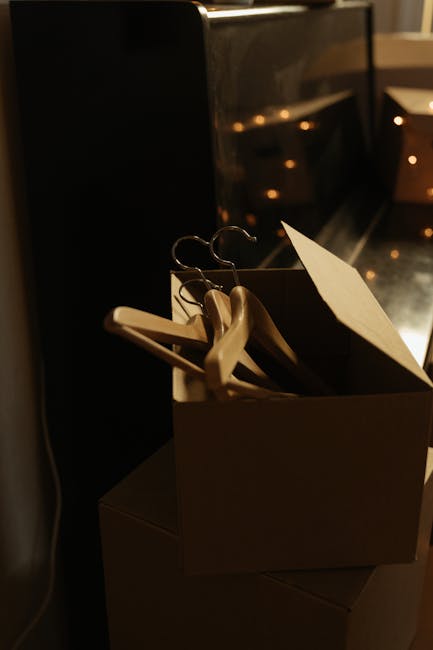
Packing antiques and pianos in Merton: Fragile moves
Posted on 18/06/2026
Packing antiques and pianos in Merton: Fragile moves done properly
If you are moving a family heirloom, a glass-fronted cabinet, or a piano that has more sentimental value than you can really put into words, the stakes feel different. Packing antiques and pianos in Merton: Fragile moves is not just about getting items from A to B. It is about preserving finish, structure, tuning, memory, and maybe a little peace of mind as well. In a borough like Merton, where moves can involve tight hallways, stairs, parking pressure, and busy residential roads, careful packing makes all the difference.
This guide breaks down what fragile moving actually involves, why it matters, and how to approach antiques and pianos without the usual stress. You will find practical steps, common mistakes, useful tools, and a sensible comparison of packing methods. To be fair, some of it sounds obvious until the day a door frame, a loose leg, or one badly placed strap proves otherwise.
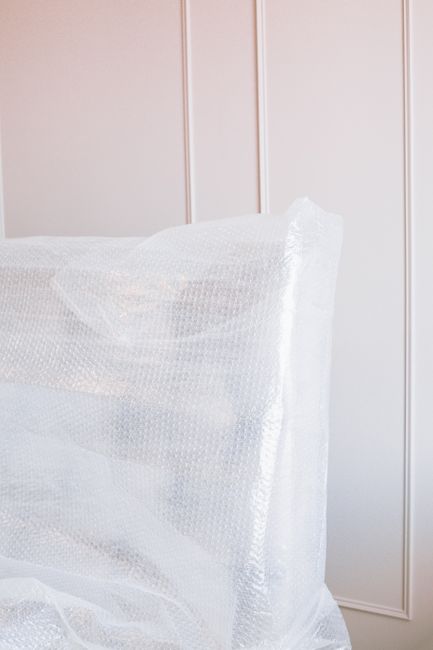
Why Packing antiques and pianos in Merton: Fragile moves Matters
Antiques and pianos are vulnerable for different reasons, but the core problem is the same: they are often heavier, older, and more delicate than they look. A polished antique table can be ruined by one sharp edge rubbing against a blanket. A piano can suffer from an awkward lift, trapped pedals, or a sudden shift inside the van. And once damage happens, repairs can be expensive, time-consuming, and sometimes impossible to reverse neatly.
Merton adds its own quirks. Narrow terraces, basement rooms, maisonette staircases, and awkward on-street parking can turn a straightforward move into a mini puzzle. If you have ever tried carrying something oversized while someone says, "Mind the turn," you will know the feeling. In those moments, the quality of your packing is doing a lot of quiet work.
This matters not only for value, but for confidence. A properly wrapped antique is easier to lift, easier to stack, and less likely to be caught out by vibration during transit. A properly prepared piano can be moved with less strain on the instrument and less strain on the people carrying it. That second part is easy to forget, but it matters just as much.
For many households, specialist help sits alongside broader moving support such as removals in Merton or more targeted services like furniture removals in Merton and piano removals in Merton. Those pages are useful if your fragile move is part of a bigger home transition rather than a single-item job.
How Packing antiques and pianos in Merton: Fragile moves Works
The process is part planning, part materials, part lifting technique. Good packing does not begin with tape. It begins with understanding the item itself. What is the finish? Is there veneer, glass, brass, or loose joinery? Is the piano upright or grand? Does the item have detachable legs, shelves, pedals, lids, or mirrors? These details shape the packing method.
For antiques, the aim is usually to create layers of protection that prevent abrasion and movement. For pianos, the aim is broader: protecting the casing, securing moving parts, and making the item safe to handle. A grand piano can need specialised dismantling and reassembly. An upright piano may need bracing, blanketing, and careful loading angles. Slightly different problems, same need for discipline.
In a practical Merton move, the flow usually looks like this:
- Assess the item condition and note any existing marks or weakness.
- Choose packing materials that suit weight, surface, and fragility.
- Wrap and pad vulnerable points first, not last.
- Protect corners, feet, lids, hinges, and any protruding parts.
- Use lifting straps, dollies, or piano skids where appropriate.
- Load the item so it cannot slide, twist, or tip in transit.
A useful way to think about it: the packing is not just for storage, it is for movement. If the item is going to travel down stairs, through a hallway, into a van, and out again, every stage needs to be considered. One weak point can undo the whole plan. Annoying, yes. But true.
Key Benefits and Practical Advantages
Careful fragile packing gives you more than damage prevention. It changes the entire moving experience.
- Less risk of surface damage: Good wrapping protects varnish, polish, lacquer, and delicate finishes from scuffs.
- Better handling: Once padded and secured, objects are easier to grip and carry safely.
- More stable transport: Items that cannot wobble are less likely to suffer impact damage in the van.
- Faster unloading: A well-packed item is simpler to place, position, and unwrap at destination.
- Reduced emotional stress: Sentimental items tend to worry people more than standard furniture. Fair enough. Careful packing helps.
There is also a financial angle. Repairs to antique finishes or piano mechanisms can escalate quickly, especially when hidden damage shows up later. A careful move can look more expensive on paper if you pay for specialist packing, but that often compares favourably with the cost of fixing preventable damage afterwards. No dramatic claims here, just common sense.
If you are comparing options, it can help to look at the wider support available through packing and boxes in Merton, package and boxes in Merton, or broader removal services in Merton when a fragile item is only part of the job.
Who This Is For and When It Makes Sense
This type of move is not only for collectors with a house full of museum pieces. In reality, it suits quite a few everyday situations.
- Families moving inherited furniture or heirlooms.
- Musicians moving upright or grand pianos between homes, schools, or studios.
- Homeowners downsizing and wanting to keep one or two special pieces safe.
- Estate executors dealing with irreplaceable items.
- Landlords or sellers preparing a property where fragile pieces need temporary relocation.
It also makes sense when access is awkward. A fragile item that would be easy enough to carry in a large modern house can become a problem in a first-floor flat, a narrow Victorian staircase, or a split-level Merton property with tight corners. If you have ever measured a doorway twice and still felt unsure, you are not alone.
The point where specialist packing becomes worth it is usually the point where the item is valuable, awkward, sentimental, or all three. That is the honest answer. Do you really want to improvise with a 120-year-old cabinet or a piano that has been in the family for decades? Probably not.
Step-by-Step Guidance
Here is a simple, practical approach to fragile moves that works well in real homes.
- Inspect the item carefully. Look for loose joints, chips, old repairs, wobbly legs, sticking lids, or surface wear. Photograph it before moving.
- Clear the route. Remove rugs, clutter, and obstacles from the path to the door. In Merton homes, the hall is often the tightest part.
- Disassemble only when it is safe. On antiques, remove only parts that are designed to come off. On pianos, some jobs should be left to trained handlers.
- Wrap the most vulnerable areas first. Corners, edges, keys, pedals, brass fittings, mirror frames, and polished surfaces need special attention.
- Use cushioning layers. Blankets, foam, corrugated board, tissue, and protective wrap can be combined depending on the item.
- Secure with straps or tape where appropriate. Tape should never touch delicate finishes directly. That one gets missed more often than it should.
- Label and orient. Mark boxes and wrapped parts clearly, especially if the item will be reassembled later.
- Load with restraint. Keep heavy items low and stable. Do not stack random soft goods on top of a piano part or antique mirror.
- Unload patiently. Rushing at the end causes plenty of damage. That final stretch is where tired hands make bad decisions.
A small but important clarification: not every antique should be wrapped the same way. A framed oil painting needs different treatment from an oak sideboard, and a lacquered cabinet needs different protection from a brass clock. The same goes for pianos. The packing should fit the object, not the other way round.
Expert Tips for Better Results
These are the details that often make the difference between "it arrived fine" and "that was surprisingly smooth."
- Pad before you lift. People sometimes carry an item to the packing area first. If it is already fragile, wrap it in place where possible.
- Avoid over-tightening straps. Too much pressure can mark wood or compress delicate parts.
- Keep moisture away. On damp days, especially in a London winter, wet wrapping can do more harm than good.
- Think about vibration. The journey itself matters. A well-padded item still needs to be immobilised in the van.
- Use a second pair of eyes. One person can miss a loose handle or a hinge issue. Another person usually spots it. Annoyingly useful, that.
- Do not forget the exit. Plenty of people protect the item beautifully and then scrape it on the way through the front door. Happens all the time.
If you are arranging a move with tighter timing, specialist teams may also advise on route planning and vehicle choice, which can be especially relevant for local jobs covered by man and van in Merton or a dedicated removal van in Merton. The right vehicle matters more than many people think.
One more thing: if your piano is particularly old or tuned for performance use, try to build in a little post-move settling time. No need to pretend it will behave instantly after a bumpy journey. Instruments are polite, not magical.

Common Mistakes to Avoid
Most fragile move problems are predictable. That is the good news. The bad news is that people repeat them all the time.
- Using the wrong wrap: Thin household blankets alone are often not enough for antiques with sharp or carved edges.
- Letting tape touch the finish: Tape residue can be annoying at best and damaging at worst.
- Assuming all pianos are the same: Uprights and grands need very different handling.
- Skipping the condition check: Old damage can turn into fresh damage if you do not spot it early.
- Packing too quickly: Speed is tempting. Fragile work punishes haste.
- Forgetting access constraints: A perfect packing job can still fail if the hallway, stairs, or doorway were never properly measured.
- Ignoring insurance and accountability: You want clarity on who is handling what, and what happens if something goes wrong.
For local moves, it is also worth thinking about timing. Busy streets around Wimbledon, Raynes Park, Morden, and Mitcham can make loading windows tighter than people expect. If your move is on a tight deadline, a quick read on Wimbledon removals and narrow-street access or tight-access flat moves in Raynes Park can give you a more realistic feel for the local challenge.
Tools, Resources and Recommendations
Good fragile packing is usually a mix of the right materials and the right judgement. You do not need every specialist item on earth, but you do need enough to do the job properly.
| Item | Best for | Why it helps |
|---|---|---|
| Moving blankets | Antiques, wooden furniture, piano casing | Protects against knocks and rubbing |
| Foam or corner protectors | Frames, edges, carved sections | Reduces impact on the most exposed points |
| Corrugated cardboard | Flat panels, mirrors, screens | Adds a stiff protective layer |
| Stretch wrap | Secure bundling of blankets and loose parts | Keeps layers in place during transit |
| Piano skid board or dolly | Pianos | Makes lifting and rolling safer and more controlled |
| Labels and marker pens | All fragile items | Speeds up reassembly and careful unpacking |
If you are sourcing support rather than materials, the most relevant pages are often packing and boxes in Merton, piano removal support in Merton, and, where storage becomes necessary, storage in Merton. Storage can be especially useful if you need to stage a move carefully instead of forcing everything into one day.
Also worth noting: if you are moving several large or delicate pieces together, a broader service package from services overview can help you match the move to the right support level without guessing.
Law, Compliance, Standards, or Best Practice
For fragile moves, the most useful compliance issue is not a complex legal threshold. It is the practical duty of care that a professional mover should apply to your belongings and to the people handling them. In the UK, you would usually expect careful handling, sensible lifting practices, clear communication, and appropriate insurance arrangements where offered. That is standard best practice, even when the job is only one piano or one antique cabinet.
Health and safety matters too. Heavy items should be moved with proper technique, adequate manpower, and the right equipment. The safest process is the one that reduces strain, protects the item, and avoids rash lifting. If you are hiring help, it is reasonable to ask how they approach awkward lifts, fragile wrapping, and access issues before the move day.
It is also sensible to check the terms of service, especially if you are dealing with high-value or particularly delicate objects. A professional service should be clear about what is included, how items are prepared, and what to do if there is an access problem on the day. If you want to look at the company's own policies, the most relevant supporting pages are insurance and safety, health and safety policy, and terms and conditions.
That last point is worth slowing down for. If something is fragile and irreplaceable, vague arrangements are not your friend.
Options, Methods, or Comparison Table
Different fragile moves call for different levels of packing support. Here is a simple comparison to help you decide what fits.
| Method | Best For | Strengths | Limitations |
|---|---|---|---|
| DIY basic wrapping | Low-risk antiques, sturdy decorative pieces | Budget-friendly, quick for simple items | Less reliable for valuable or awkward objects |
| Hybrid packing | Mixed household moves with a few fragile items | Good balance of cost and protection | Needs careful planning and the right materials |
| Specialist packing and moving | Pianos, valuable antiques, fragile heirlooms | Best protection, better handling, lower risk | Usually more expensive and requires more coordination |
In plain terms, if the item is sentimental but sturdy, a hybrid approach may be enough. If the item is mechanically sensitive, structurally old, or financially significant, specialist handling is usually the sensible call. The older the item, the more you tend to discover hidden weak spots. Not always, but enough to matter.
Case Study or Real-World Example
Consider a typical Merton scenario: a family moving from a Victorian terrace near a busy high street into a newer property a few miles away. They have an upright piano in the front room and two antique pieces inherited from grandparents: a small mahogany bureau and an ornate mirror with a slightly fragile frame.
The first issue was access. The front room had a narrow path through to the hallway, and the stairs turned sharply halfway up. The second issue was time. They wanted everything moved in one afternoon, which sounded simple until the piano and mirror were measured properly. Truth be told, that is when people often realise the real job is not the transport. It is the preparation.
The solution was practical rather than dramatic. The piano was protected with layered blankets, key cover protection, and careful strapping. The bureau had its removable components packed separately, wrapped in labelled layers, and kept upright. The mirror was treated like a flat fragile panel, with stiff backing and corner protection. The team also planned the loading order so the piano stayed stable in the van and did not need to be shifted halfway through the trip.
Nothing fancy. Just sensible sequencing.
The difference was obvious at unload. No scrambling. No random rewrapping in the driveway. No panic over a loose foot or a dented edge. The move was not effortless, because fragile work never is, but it was controlled. And that is really what you want.
Practical Checklist
Before moving day, run through this checklist for antiques and pianos.
- Photograph the item from multiple angles.
- Measure doorways, corridors, stairs, and the item itself.
- Check for loose parts, missing screws, or unstable joints.
- Choose suitable padding, blankets, wrap, and protective board.
- Label parts that need reassembly.
- Clear the route from room to van.
- Confirm parking or loading access in advance.
- Decide whether specialist handling is needed.
- Keep valuables, documents, and keys separate from the move load.
- Review insurance, liability, and terms before the move starts.
If the move feels more complicated than expected, that is not a bad sign. It usually means you are noticing the risks early, which is exactly when you want to notice them.
Get a free quote today and see how much you can save.
Conclusion
Packing antiques and pianos in Merton is one of those jobs where a careful method beats a rushed one every time. The best results come from good preparation, proper materials, clear handling, and realistic planning around access and transport. Whether you are moving one treasured item or a whole collection of fragile pieces, the aim is the same: keep the item safe, keep the process calm, and avoid avoidable damage.
Local moves can feel deceptively simple until the hallway turns out to be tight, the parking is awkward, or the item itself proves more sensitive than expected. With the right approach, though, fragile moves become manageable. Even, dare I say, reassuring. And that is a nice feeling when you are trusting someone with something that matters.